
Growing Lavender: A Beginner's Guide
You picked up a lavender plant at the garden center because it smelled amazing, and now you're wondering how to keep it alive long enough to get flowers.
I completely understand. Lavender is one of those plants that seems like it should be easy. It's everywhere. Every garden center sells it. Every herbal book recommends it.
Then you bring it home and discover that lavender has opinions.
The good news is that once you understand what lavender wants, it's actually a fairly low-maintenance herb that can provide years of fragrant flowers, pollinator activity, and homemade herbal projects.
Why Grow Lavender?
Easy to maintain once established
Beautiful purple flowers
Wonderful fragrance
Attracts bees and pollinators
Can be used in teas, sachets, and crafts
Perennial in many climates
Drought tolerant
Beautiful in containers and garden beds
Choosing a Lavender Variety
One thing that surprises many new gardeners is that there isn't just one lavender. Different varieties have different appearances, hardiness levels, and uses.
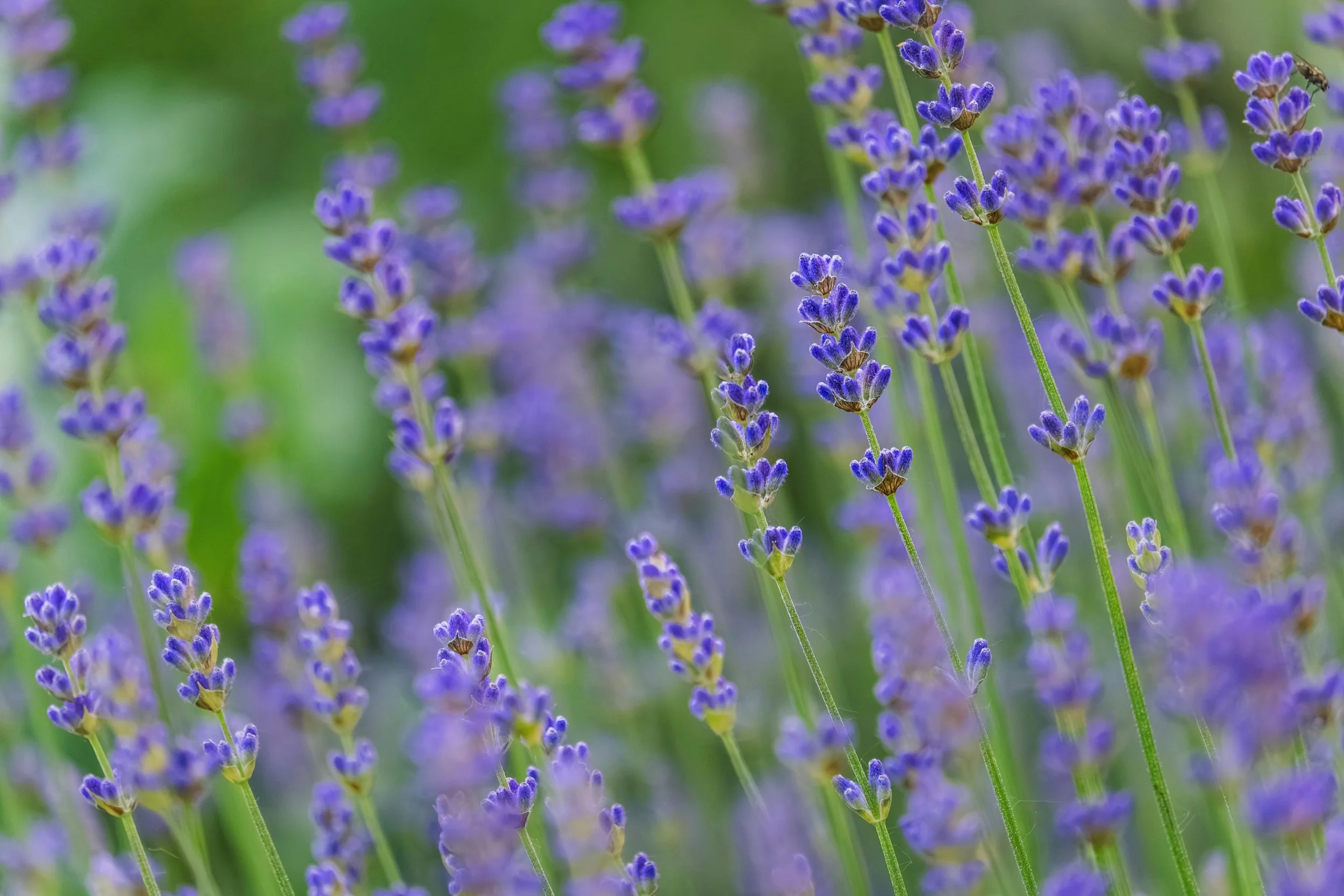
English Lavender
Despite the name, English lavender actually originated in the Mediterranean region.
This is usually the best choice for beginners and the type most commonly used in teas and culinary recipes.
Best choice for tea
Sweet floral fragrance
Excellent cold tolerance
Typically grows 1–3 feet tall
Zones 5–9
Popular varieties include Hidcote and Munstead.
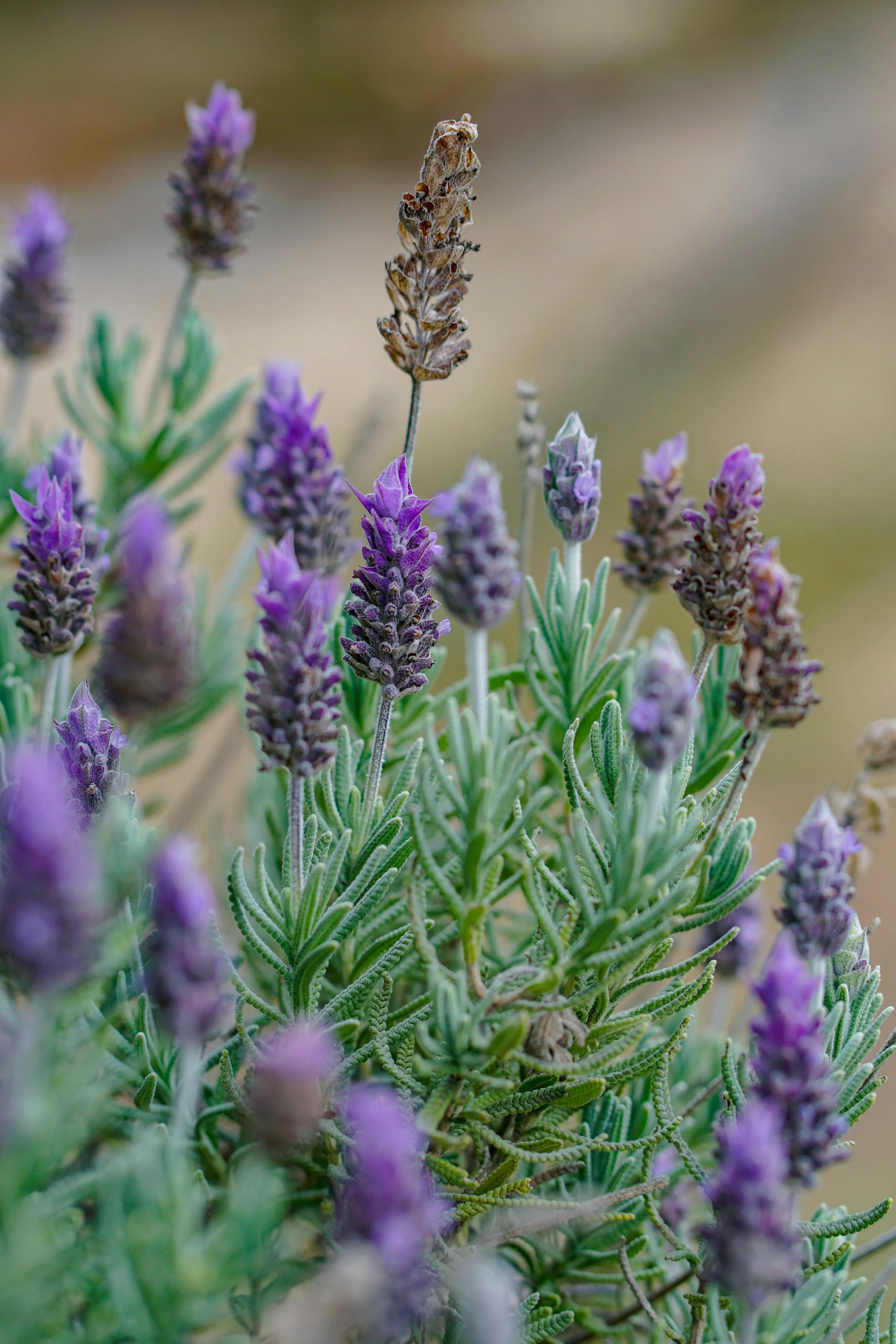
French Lavender
French lavender has distinctive toothed leaves and tends to bloom for a longer period than English lavender.
It prefers warmer climates and is often grown as an ornamental plant.
Longer blooming season
Less cold hardy
Distinctive foliage
Usually grown for fragrance and appearance
Zones 8–11
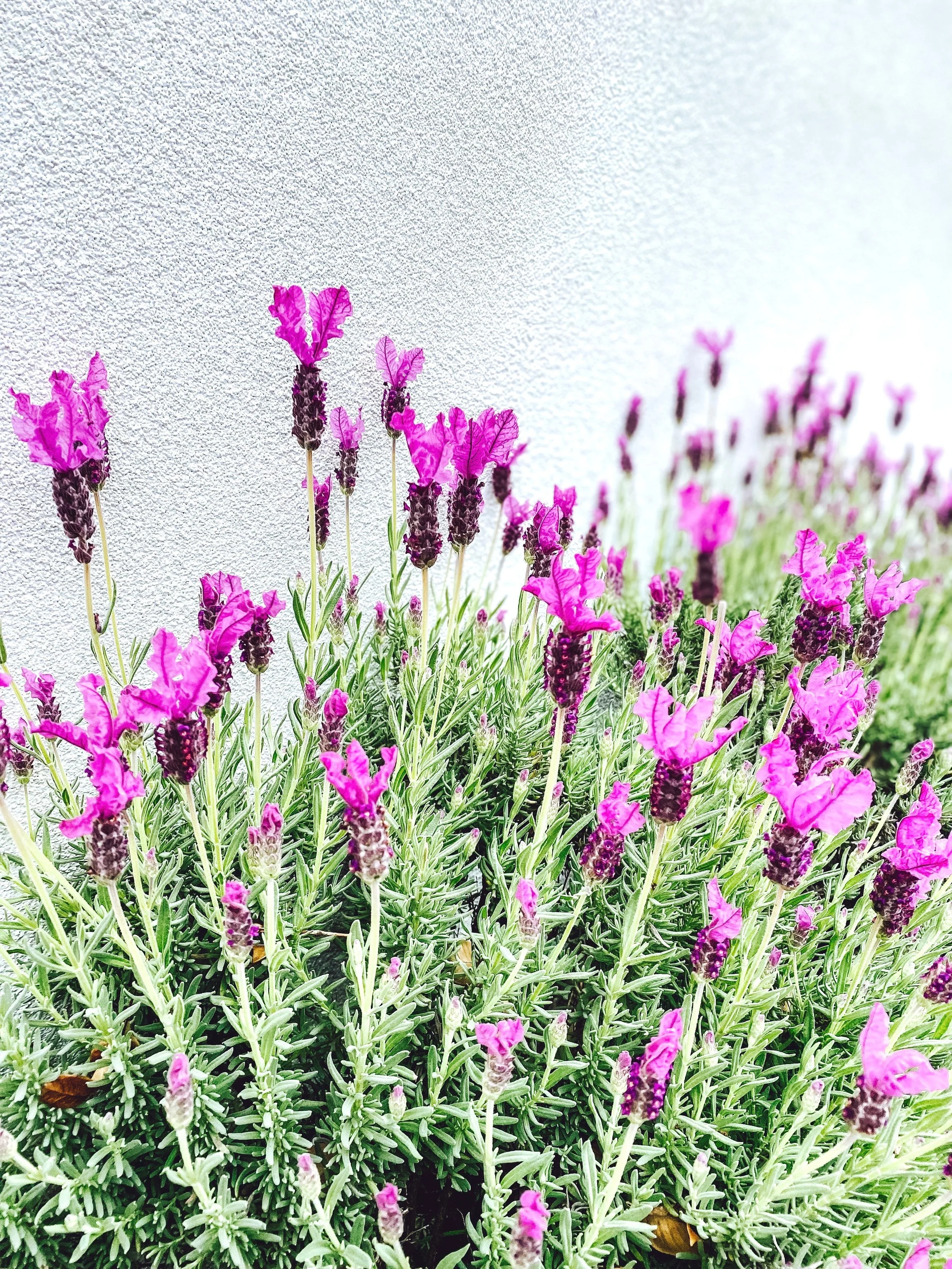
Spanish Lavender
Spanish lavender is easy to recognize because of the decorative flower bracts that resemble little rabbit ears on top of the flower heads.
Excellent heat tolerance
Very attractive to pollinators
Unique flower shape
Less commonly used for tea
Zones 7–10
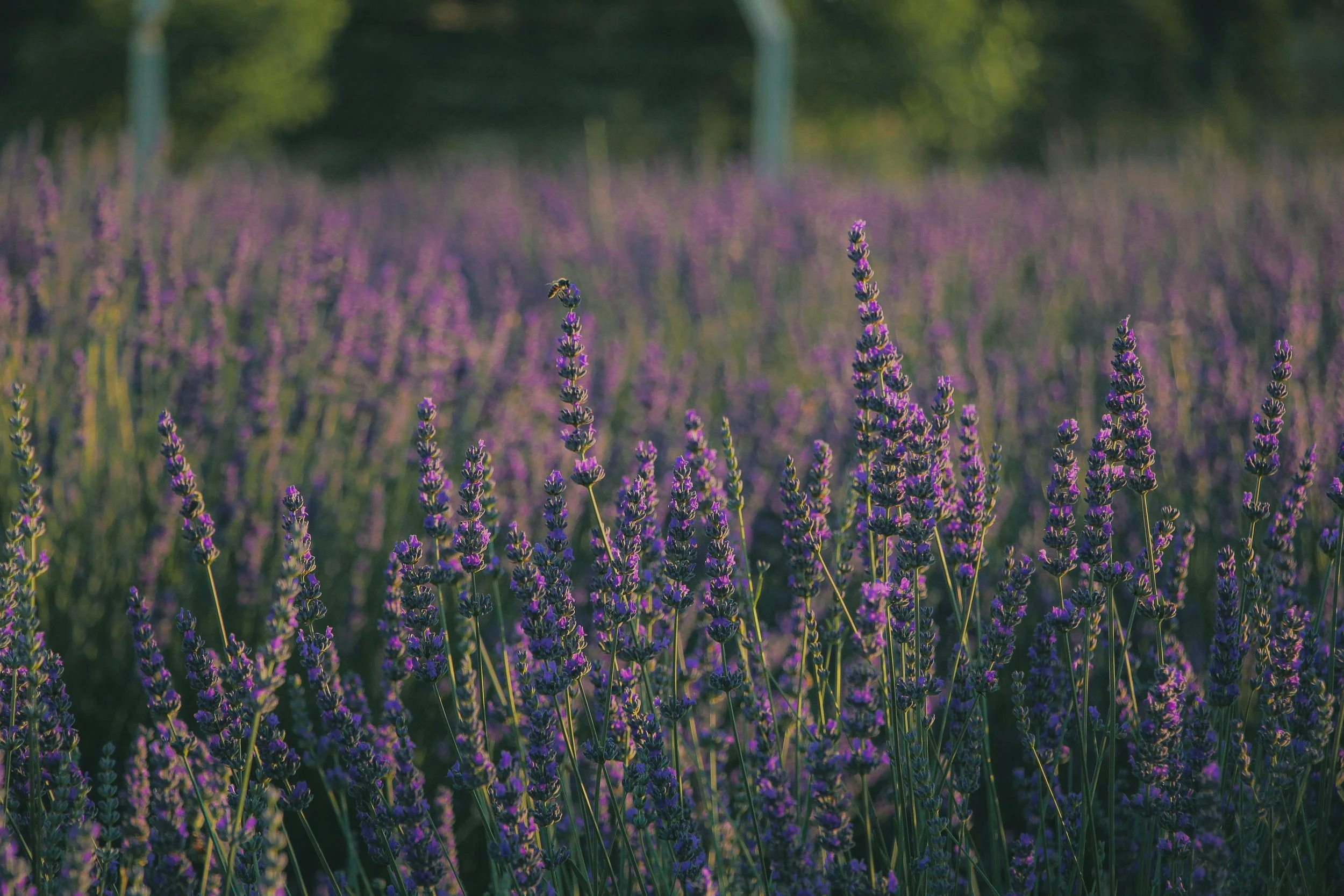
Lavandin
Lavandin is a hybrid between English lavender and spike lavender.
These plants are larger and often grown commercially because they produce abundant flowers and aromatic oils.
Large plants
Heavy flower production
Strong fragrance
Excellent for sachets and dried arrangements
Typically grows 2–4 feet tall
How Long Until I Can Harvest Lavender?
Since this is probably the question you're really asking, let's answer it before we get into the growing details.
Seeds germinate: 2–4 weeks
Small plants establish: 2–3 months
Light harvests: First year
Full harvests: Second year and beyond
Lavender requires more patience than chamomile. While chamomile can go from seed to tea in a couple of months, lavender spends much of its first year establishing roots. The payoff is that a healthy lavender plant can produce flowers for many years.
Starting Lavender from Seed
Lavender has a reputation for being difficult from seed, but it's more accurate to say that it's slow.
When to Start Seeds
Start lavender seeds indoors 10–12 weeks before your average last frost date. Unlike many annual herbs, lavender benefits from a long head start.
Germination
Lavender typically germinates in 14–28 days. Some seeds may take even longer. Don't throw the tray away after two weeks because you think nothing is happening.
Germination Temperature
The ideal soil temperature is 65–75°F. A seedling heat mat can improve germination rates.
Light Requirements
Once seedlings emerge, provide 14–16 hours of light daily. Keep grow lights 2–4 inches above the seedlings. Without enough light, lavender becomes leggy and weak.
Why Some Gardeners Buy Plants Instead
If you're only planning to grow one or two lavender plants, purchasing a nursery plant is often easier and faster than starting from seed.
I still enjoy growing herbs from seed, but lavender definitely tests your patience more than chamomile, basil, or calendula.
Hardening Off
Before moving seedlings outdoors permanently:
Place them outside in shade for a few hours each day.
Gradually increase sun exposure.
Protect them from strong wind.
Bring them inside if temperatures drop too low.
This process should take about 7–10 days.
When to Transplant
Transplant lavender when:
Frost danger has passed.
Plants have several sets of true leaves.
Roots are established.
Space plants:
English Lavender: 18–24 inches apart
French Lavender: 24–36 inches apart
Spanish Lavender: 18–24 inches apart
Lavandin: 24–36 inches apart
Lavender appreciates good airflow, so don't crowd plants together.
Sunlight
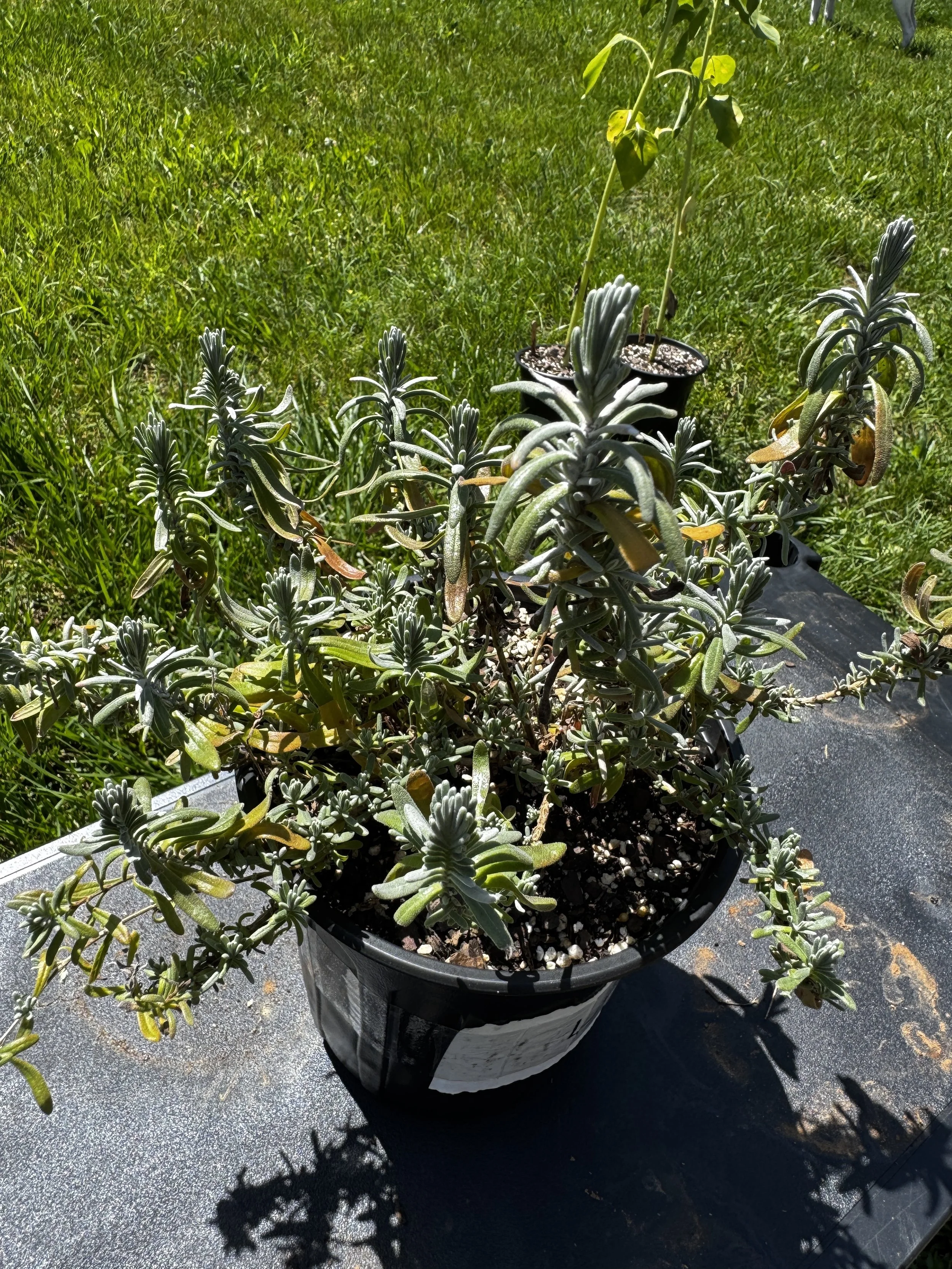
If there's one thing lavender absolutely insists on, it's sunlight. Give lavender the sunniest location you have. Full sun means at least 6–8 hours of direct sunlight daily. More is generally better.
Plants grown in shade tend to become floppy, produce fewer flowers, and develop weaker fragrance.
Soil
This is where many gardeners accidentally kill lavender. Most herbs enjoy rich, moisture-retentive soil. Lavender does not. Lavender evolved in rocky Mediterranean soils that drain quickly. The biggest danger to lavender isn't drought. It's wet roots.
For containers, I prefer adding materials that improve drainage, such as:
Perlite
Coarse sand
Small gravel
Peat moss or pine bark fines
The goal is moist but well-drained soil, not a constantly wet pot.
Fertilizer
Lavender is one of the few plants that can actually perform worse when overfed.
Too much fertilizer often results in:
Excess leafy growth
Fewer flowers
Reduced fragrance
Weaker stems
A little compost at planting time is usually plenty. If your soil already contains compost and organic matter, additional fertilizer may not be necessary.
Water
Newly planted lavender needs regular watering while establishing roots. After establishment, lavender becomes surprisingly drought tolerant.
A good rule is:
Water deeply.
Allow the soil to partially dry.
Then water again.
Lavender prefers occasional deep watering rather than frequent shallow watering. If the soil is still damp an inch below the surface, wait another day.
Container Size
Good drainage is far more important than container size.
For young plants:
1-gallon containers work well
For mature plants:
3–5 gallon containers are ideal
Terra cotta pots are especially useful because they allow excess moisture to evaporate through the pot walls. If you're growing lavender solely in containers, choose a pot with multiple drainage holes.
My Experience
When I first started growing lavender, I treated it like basil.
That was a mistake.
I watered it almost daily, worried every time the soil looked dry, and generally fussed over it far more than necessary.
The plants did much better once I mostly left them alone. They also did better when I learned that they need patience more than anything. I wanted the pretty purple flowers to use in tea and herb remedies that I was trying to push it too fast. Once I realized I was playing the long game, it started growing better.
Lavender is one of those herbs that tends to thrive when you stop trying to make conditions perfect.
Common Problems
Seeds Won't Germinate
Lavender seeds are naturally slow. Be patient and keep the soil lightly moist. Sometime I do have to end up replanting the seeds more than once. I also found that 2-3 seeds per pot gives you a better chance of one germinating.
Yellow Leaves
This is often caused by overwatering or poor drainage. Check the soil before adding more water. This is something that I still struggle with. But it’s slowly getting better the more I let the pot dry out between waterings.
Poor Flower Production
Usually caused by:
Too much shade
Excess fertilizer
Plants that are still young
Woody Plants
Older lavender plants naturally become woody over time. Annual pruning helps maintain a compact shape. The older the growth is, the more woody it will become. If you harvest the stems and leaves for their oils, you can help keep the plant growing more new growth that's less woody. But don’t harvest everything, the plant still needs a good structure.
Harvesting Lavender
Harvest flowers when the first blossoms begin to open. This is usually when fragrance is strongest. The best time to harvest is in the morning after dew has dried but before the heat of the day.
Cut stems several inches below the flower spikes. Leave enough green growth behind for the plant to recover. A good rule of thumb is to never harvest more than 1/3 of the plant at a time. This reduces stress on the plant and leaves enough of the plant to continue growth for more harvests.
Drying and Storing Lavender
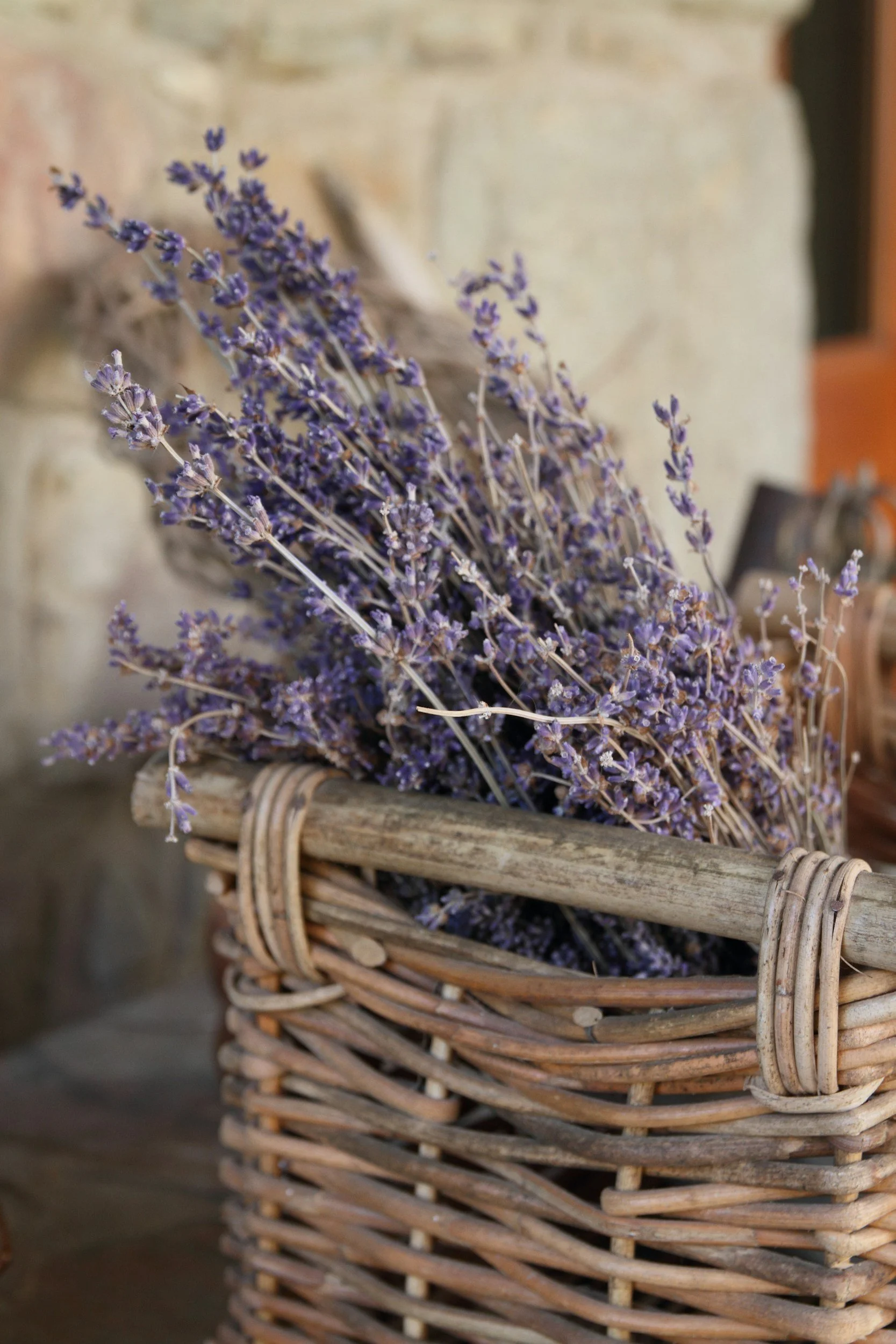
Lavender is one of the easiest herbs to dry. Bundle small handfuls of stems together and hang them upside down in a warm, dry location with good airflow.
Drying typically takes:
1–2 weeks in dry conditions
2–3 weeks in humid conditions
The flowers are fully dry when they feel crisp and easily separate from the stems. Store dried flowers in airtight jars away from heat, moisture, and sunlight. Properly stored lavender often maintains good quality for a year or longer.
Traditional Uses of Lavender
Lavender has a long history in herbalism and is traditionally associated with relaxation, comfort, and calming the mind. Many people enjoy lavender tea, herbal sachets, bath products, and aromatherapy preparations. The characteristic fragrance comes largely from naturally occurring terpenes and other volatile constituents found within the flowers.
If you're interested in learning more about the herbalism behind lavender and what gives it its distinctive aroma, be sure to read my companion article: What Makes Lavender Work?
There I take a deeper look at the compounds responsible for lavender's fragrance and why lavender has become one of the most recognized herbs in the world.
Final Thoughts
If chamomile is the herb that teaches patience for harvesting flowers, lavender is the herb that teaches patience while growing.
It may take longer to establish, but once it settles into its home, lavender rewards you with years of fragrance, pollinators, and beautiful blooms.
Give it plenty of sun, avoid overwatering, and don't fuss over it too much.
Lavender generally knows exactly what it's doing.